A recipe page should feel useful before it feels busy. This demonstration pairs a simple kitchen story with an editable recipe card, readable ingredients and a print-friendly method. Replace the sample method with a recipe you have cooked and tested.
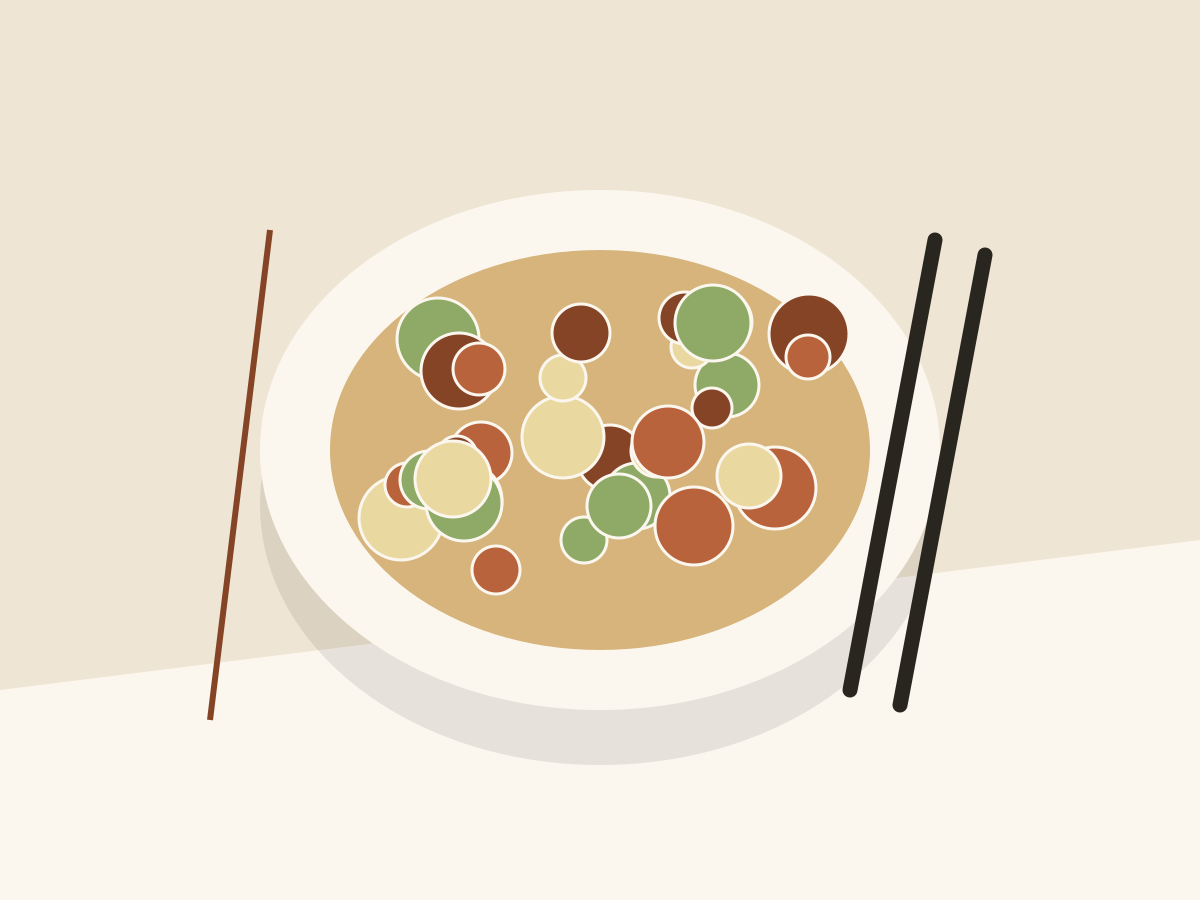
A note from the kitchen
The best recipe notes explain the choices that matter: how an ingredient is prepared, what can be made ahead, and which finishing details change the dish. Keep the story close to those useful observations.
The recipe card
White beans with rosemary
- Preparation
- 5 minutes
- Yield
- 2 servings
- Notes
- Season to taste
2 servings
Ingredients
Method
- Warm the olive oil, garlic and rosemary gently in a saucepan for a few minutes without browning the garlic.
- Add the beans and a splash of water. Warm through over a low heat, stirring occasionally.
- Remove the rosemary stems, add the lemon juice, season to taste and serve warm.
Make the page your own
Add your tested quantities and instructions in the recipe card. Use a photograph or original illustration of the dish, include any optional serving notes, and check the print preview before publishing.
Keep a useful record
After cooking, write down the adjustments you would repeat. A short, specific note is more useful than an unsupported claim that a recipe always works for everyone.



No comments:
Post a Comment